A Steady Force Behind the Seawolves
Early preseason mornings are quiet. Jennifer Flynn is already at her desk. League compliance forms are open on her laptop. Nearly 40 flights to South Africa are booked and tracked. Housing confirmations are in progress, visa documents are filed. Protein powder and training supplies are stacked in her office. At home, team laundry is running through her washer.
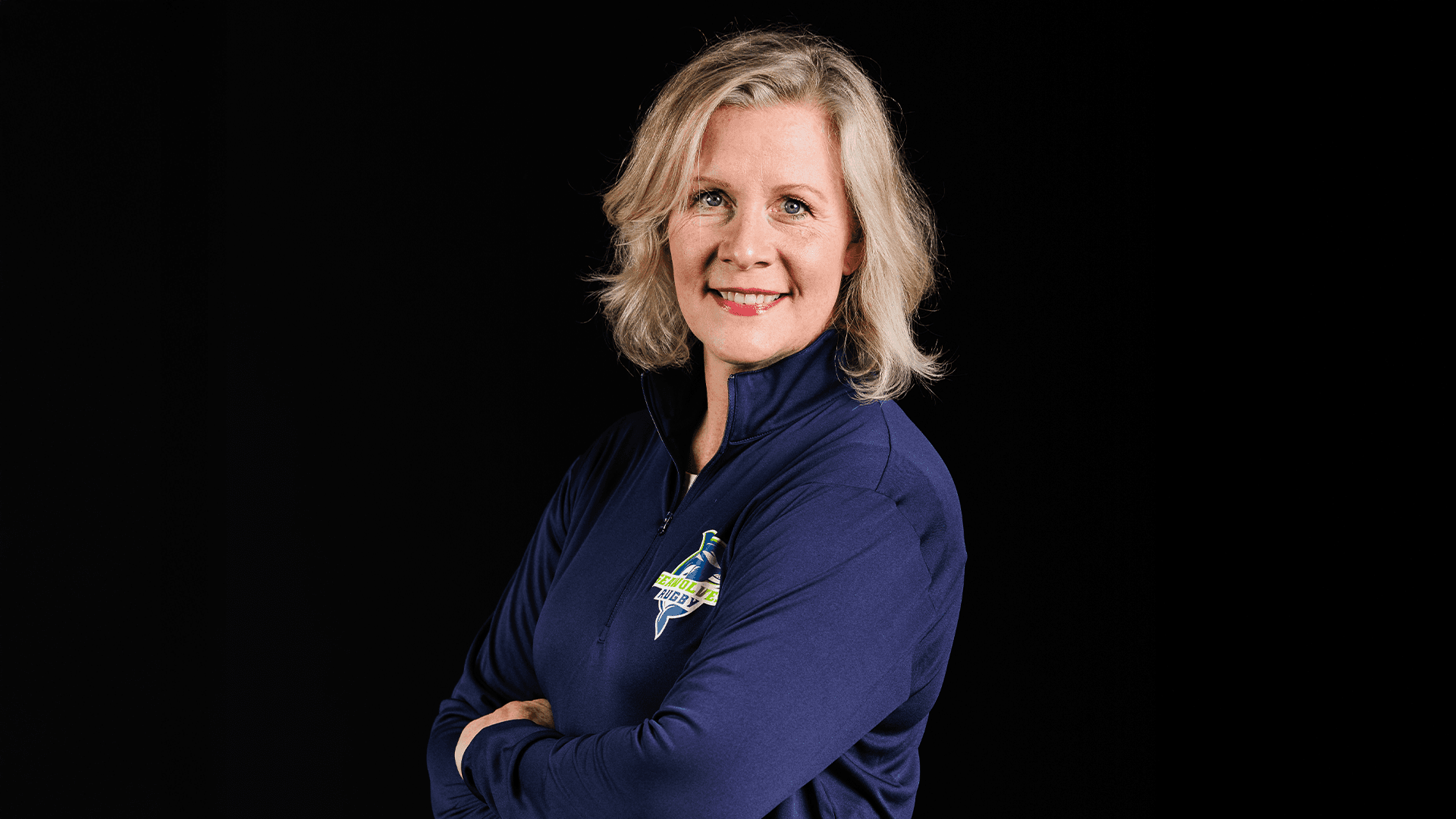
By the time players arrive at training, most of the work is already done. Jennifer's official title is Manager of Rugby Operations and Player Personnel. In practice, she's the steady presence that keeps the Seattle Seawolves moving. League paperwork, player documentation, housing, cars, travel: it all runs through her.
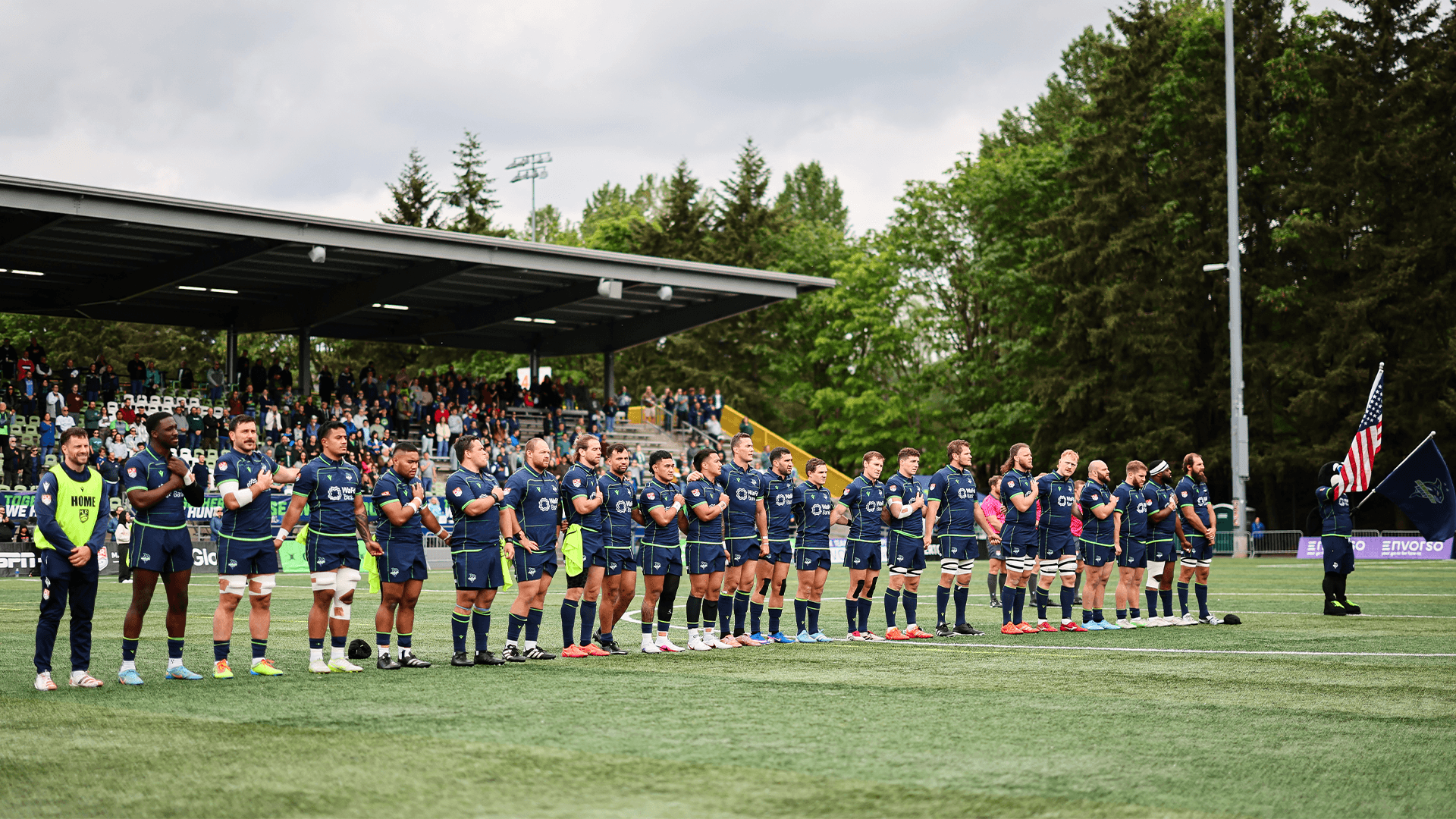
She supports the head coach and general manager, and bridges the gap between the front office and the locker room. On game day, she lays out jerseys and tracks timing and substitutions from the sideline. She describes herself as a chief of staff to the head coach, a problem solver, sometimes the team mom.
"I joke that I'm more like the cool aunt," she says.
A lot of the players are young enough to be her kids. They come to her with questions about payroll, logistics, family situations, and sometimes things that have nothing to do with rugby at all. If something needs doing and no one's been assigned to it, it usually finds its way to her.
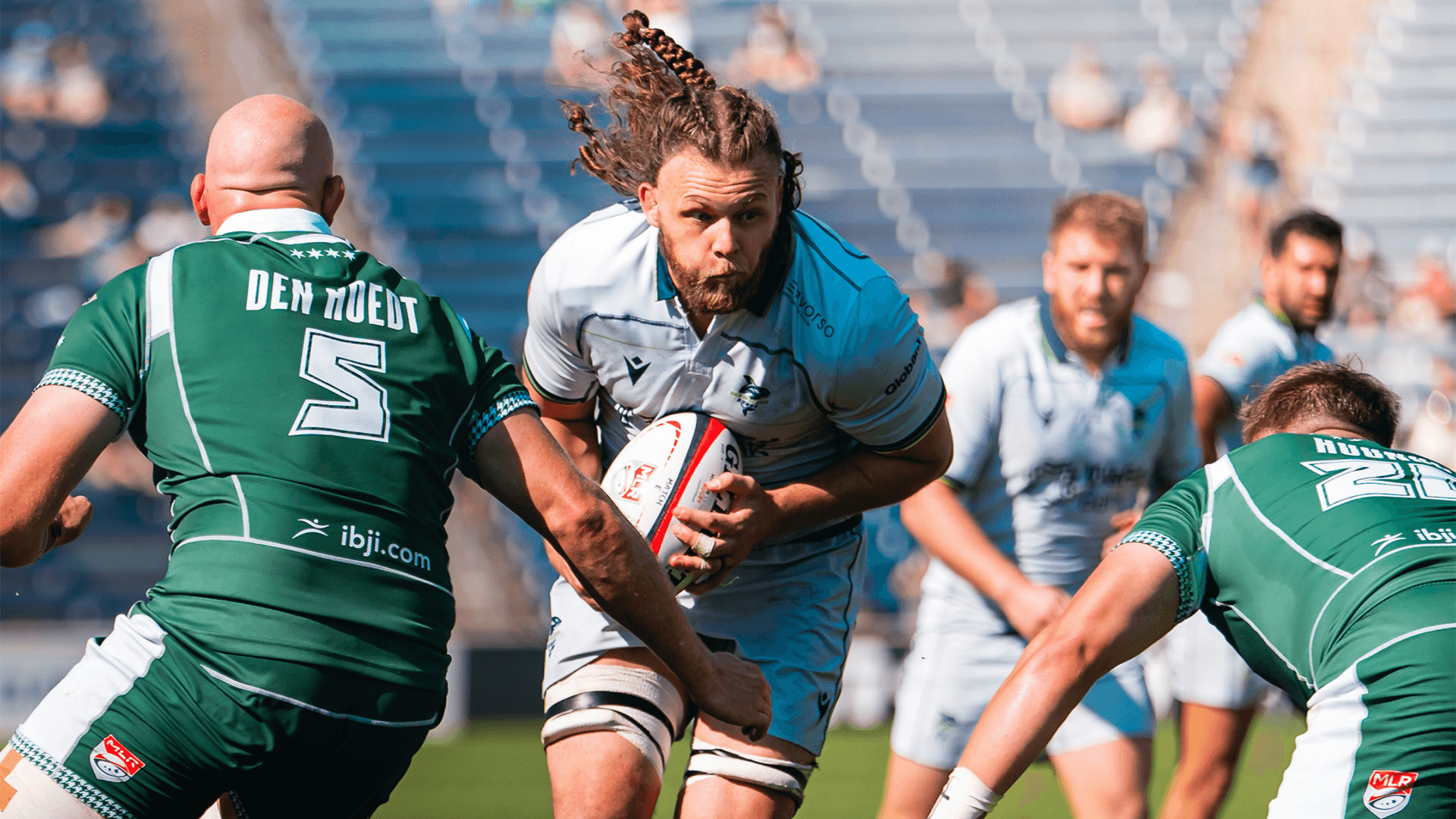
Fans see the tackles, but they don't typically see the systems underneath. Jennifer does.
Long before rugby became part of her daily life, Jennifer was a high-performance athlete herself.
She grew up on Bainbridge Island, just outside Seattle. Swimming came first, then basketball, then water polo. There was no women's water polo team in Washington at the time, so she and her teammates built one, traveling to Oregon and California to compete. By her junior and senior years, she was earning spots on national programs, eventually making the U20 Junior National Team.
At the University of Washington, she balanced water polo and rowing before committing fully to the oars. As a senior, she captained the team that won the first-ever national championship for a women's sport at UW – a team later inducted into the university's Hall of Fame.
Jennifer knows what elite preparation looks like from the inside: the structure, the accountability, the hours that happen long before anyone's watching. She knows what athletes need because she's one herself.
Rugby is woven into daily life for the Flynn family, and has been for a long time.
When their kids were younger, they served as ball kids for four seasons because both parents needed to be on the field. That's not a metaphor. Jennifer was managing operations on one side of the pitch while her husband Kevin was doing the same on the other. Kevin Flynn is the President of the Seattle Rugby Club and Team Manager for the Seattle Seawolves, and over the past decade he's worked alongside others in the region to build a program pathway from youth to adult rugby.
Now their son plays rugby, their daughter rides horses, and weekends are a full-on balancing act. This year, Kevin is stepping back slightly so they can divide and conquer; some Saturdays for the Seawolves, others for youth matches.
The commitment didn't arrive in one big moment. When asked when she realized rugby had become truly central to their lives, Jennifer smiled. "That moment passed a long time ago." It happened gradually, then all at once. Rugby shaped friendships and how their kids think about responsibility.
Rugby has a phrase that comes from the All Blacks: sweep the sheds. It means you leave a place better than you found it, and that no one is above the small things.
For Jennifer, logistics are only half the job; culture is the other half. She sees the “sweep the sheds” standard lived out every day. After training, players help gather gear. After matches, they reset the locker room. On away trips, they unload the buses. Win or lose, they take responsibility for the space around them.
In a league where very few women hold on-field operational roles, Jennifer has never felt out of place or like she had to prove she belonged. She's felt valued for what she actually brings: skill, structure, care, consistency. The players respect her and the staff relies on her.
On International Women's Day, that feels worth saying out loud. In rugby, leadership isn't about who speaks the loudest, but about showing up, doing the work well, and supporting the people around you. Jennifer fits that definition to a tee.
Seattle has a strong women's rugby presence: competitive clubs, players who've competed internationally, athletes who've moved into sevens programs and national team pathways. What Seattle doesn't have yet is a professional women's team. Jennifer hopes that changes.
She's watched women's professional sports grow across the country, and the launch of Seattle's professional women's hockey team showed there's real appetite for it. She thinks rugby could follow. "It may look different than the men's league," she says. "But there's space for it."
That said, she's quick to zoom out. Professional opportunity matters, but so does access. Not every athlete is going to play professionally, and rugby's real strength is that it doesn't ask you to stop. Youth clubs, adult leagues, masters divisions, wheelchair rugby, veteran programs – in most American sports, your playing days end around graduation. In rugby, you can keep going into your forties, fifties, and beyond.
For young girls watching today, visibility still matters; not just on the field, but in the rooms where decisions get made. Seeing women in operations, coaching, and leadership roles expands what feels possible. Jennifer never set out to be a symbol of that. She just showed up, did the work, and built something people relied on. But that's exactly the point. That's what representation looks like when it's real: someone doing the job so well that her presence becomes part of what the culture expects.
Jennifer wants players to leave this chapter of their lives stronger than they entered it: supported, grounded, and ready for whatever comes after the game. Jennifer’s name isn't called over the stadium speakers, but ask any player on this roster who they'd call if something went sideways, and the answer is probably the same.
She came up as an athlete who knew what it meant to be supported well. Now she makes sure others are too.